
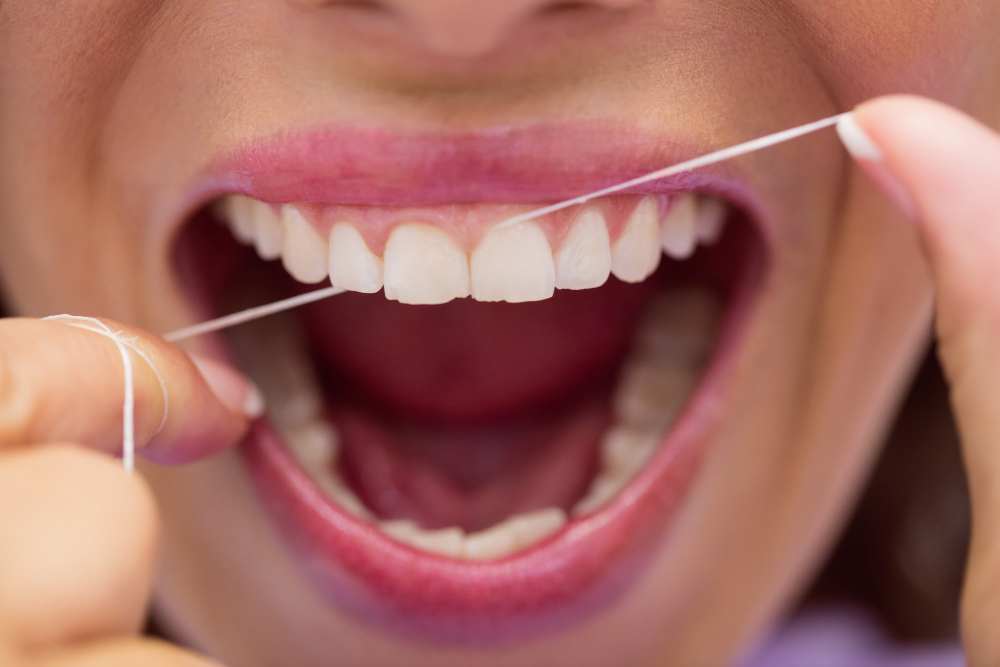
Flossing is often the most skipped part of a daily oral hygiene routine, but there’s a good reason dentists keep bringing it up. Brushing alone simply can’t reach everywhere plaque likes to hide.
Why can’t brushing alone keep my teeth clean?
A toothbrush cleans the front, back, and top surfaces of your teeth well, but it can’t reach the tight spaces between teeth where plaque and food particles build up. Over time, that buildup can lead to cavities and gum disease in those hard-to-reach areas.
What happens if I don’t floss regularly?
Plaque left between teeth can harden into tartar, which only a professional cleaning can remove. This buildup irritates the gums, often leading to bleeding, inflammation, and eventually more serious gum disease if left unaddressed.
Are there alternatives to traditional string floss?
Yes, tools like water flossers, interdental brushes, and floss picks can all help clean between teeth effectively. The best tool is the one you’ll actually use consistently, so it’s worth trying a few options to find what fits your routine.
How often should I floss?
Once a day is generally recommended, ideally before bed so food particles and plaque aren’t sitting between your teeth overnight while bacteria have the most opportunity to multiply.
Can flossing really make that big of a difference?
Yes, consistent flossing significantly reduces your risk of cavities between teeth and helps prevent gum disease, one of the leading causes of tooth loss in adults.
If it’s been a while since flossing was part of your routine, your next cleaning is a great time to get back on track. Call (860) 635-3993 to schedule your visit.